
Aerospace CNC Machining Company Economics: The Volume That Never Comes
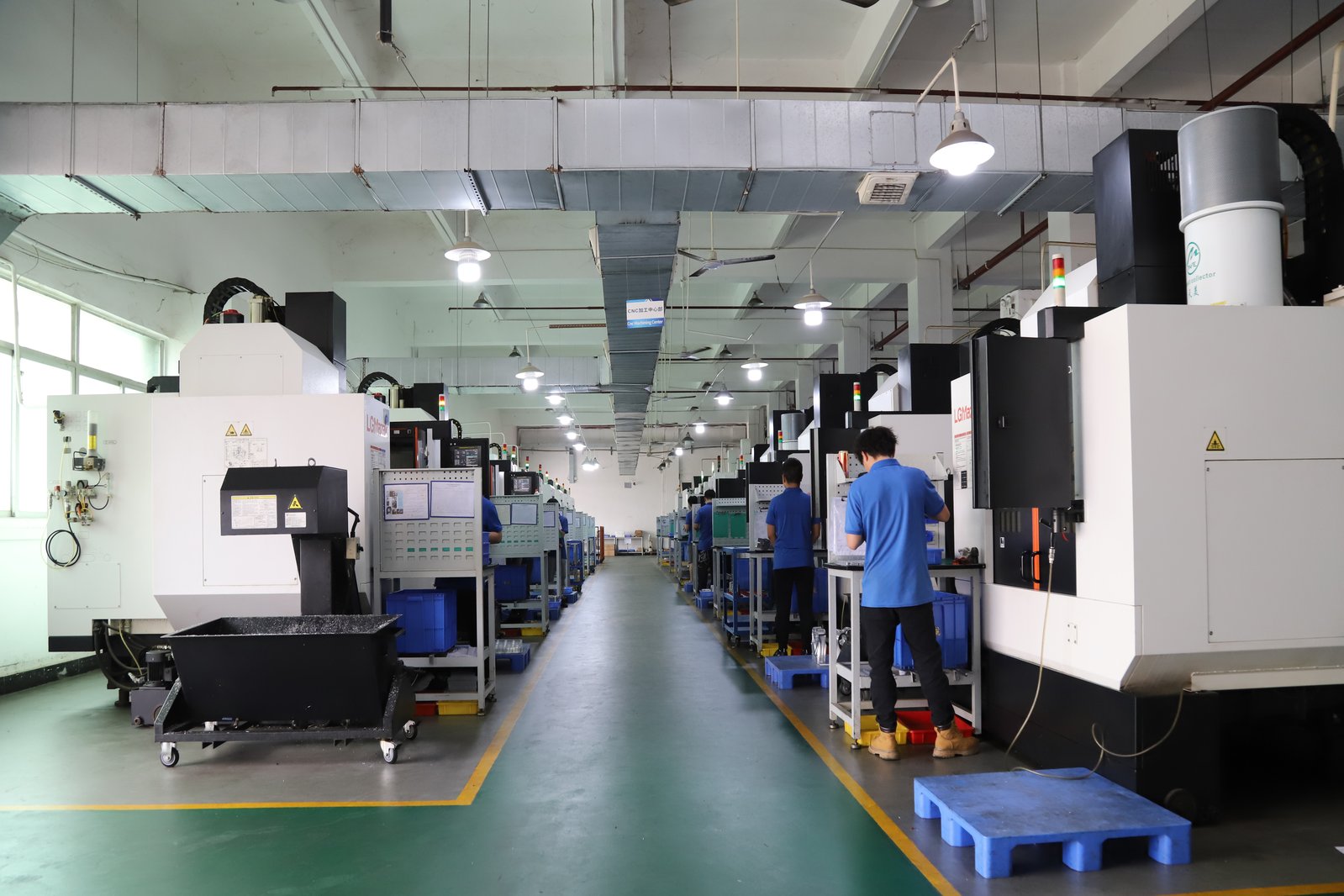
Aerospace parts break every volume-economics model that other industries take for granted. The cost curve that rewards quantity never arrives: an aircraft program builds in hundreds, not hundreds of thousands; spare and aftermarket parts trickle in ones and twos; and each configuration change starts the quantity clock over. Yet the fixed costs of aerospace machining — the qualification, the documentation, the verification, the traceability — are the highest in manufacturing, and they are paid per order, per batch, and per part regardless of quantity. The result is an economics that inverts the normal advice: aerospace parts should almost never move from CNC to tooling, because the volume that would justify a die never materializes; the verification that would amortize at volume must instead be priced into every small batch; and the machining company's role is not to scale the part but to absorb the fixed costs that the small quantities cannot. This guide covers aerospace machining from the volume-economics side: why aerospace volume stays small, where the fixed costs concentrate, why tooling rarely wins, how verification is priced when it cannot amortize, and how the economics differ when aerospace work is compared with the commercial work it sits beside.
Why does aerospace volume stay small — structurally?
The quantity ceiling on aerospace parts is not a market failure; it is built into how aircraft are designed, built, and flown:
- Airframes build in hundreds, not hundreds of thousands. A commercial aircraft program produces a few thousand airframes over its life; a business jet or rotorcraft, far fewer. Every part that goes on the aircraft — machined from the same drawing across the program — is bounded by the airframe count times the parts per airframe, and that product rarely reaches the volumes that other industries call production.
- Aftermarket demand trickles in small lots. Spare parts for aircraft in service are ordered as needed — a bracket here, a fitting there — in quantities that never justify the setup economics of volume production. The aftermarket is the aerospace volume curve in its purest form: perpetual small orders of the same part.
- Configuration changes restart the clock. Aircraft programs evolve through configurations — a modification, a customer variant, an improvement — and each change can create a new part number with its own small quantity history. The volume that one configuration might have accumulated is fragmented across the variants that follow.
- Regulatory control discourages change for change's sake. The documentation and qualification burden of a part change is heavy enough that designs stay frozen longer, which keeps quantities per configuration small rather than growing through iteration.
The buyer-side frame: aerospace volume is small by design, and the economics must be built around that fact rather than in hope of its reversal. The part that will never reach a thousand pieces should never be priced, sourced, or tooled as if it might.
Where do the fixed costs concentrate in aerospace machining?
Aerospace machining carries fixed costs that commercial work never sees, and they are paid on every small batch:
- Qualification is a sunk cost with no volume to amortize it. Qualifying a supplier for aerospace work — the quality-system review, the material and process approvals, the audit history — is real money spent before the first part, and with small quantities it is never recovered by spreading across a run. The qualification cost is a permanent overhead of the aerospace relationship, and it is why aerospace buyers qualify few suppliers and keep them.
- Verification is a per-batch cost that quantity does not reduce. First-article inspection, material certificates, process records, and traceability are produced per lot, and on a small lot the per-part verification cost is enormous. The verification that commercial volume amortizes across thousands is, on aerospace, priced into every batch of a dozen.
- Documentation is labor with a fixed cost per order. The certificate package, the conformance records, and the traceability chain are produced per order regardless of size — a two-part order carries nearly the same documentation cost as a two-hundred-part order. The fixed documentation cost is the aerospace volume curve's most distinctive feature.
- Material verification protects the smallest and most expensive batches. Every lot's material is verified against its certificate, and on aerospace — where the material chain is part of the part's pedigree — the verification is not optional overhead but the batch's foundation. Its cost is fixed per lot and falls hardest on the smallest lots.
The concentration principle: aerospace fixed costs are paid per order, per batch, and per lot — never per thousand parts — which makes them the dominant line in every aerospace quote. The buyer who understands that the quote's fixed-cost content is the product's real price is reading aerospace economics correctly; the one who compares only per-part prices is comparing the wrong number.
Why does tooling almost never win in aerospace?
Most industries follow the volume curve to its usual climax — the crossover where a die or mold undercuts machining and the part leaves the CNC floor. Aerospace parts almost never reach that crossover, and the reasons are structural rather than incidental: airframe counts cap the demand, configurations fragment the quantity, and the tolerances keep the critical features on machines no matter what makes the blank.
- The quantities never recover a die. Tooling pays off when the run amortizes the die cost across enough parts, and aerospace quantities, bounded by airframe counts and fragmented by configurations, rarely reach the crossover. A part that flies on a hundred aircraft and spares in the dozens is a part that will never justify a die.
- Where tooling exists, it is for the structure, not the detail. Large structural parts — forgings for fittings and flanges, castings for housings — are tooled because the blank is large and the material savings justify it, but the machined features that carry the tolerances are still CNC work. The aerospace pattern is tooled blank plus CNC precision, not tooling replacing machining.
- Precision keeps the work on CNC. The tolerances and material specifications that aerospace drawings carry are precisely what machining holds and casting cannot, so even where a blank is cast or forged, the features that matter are machined, and the machining company's role survives the tooling that does exist.
- The low-volume math keeps CNC permanently optimal. Because aerospace parts sit in the setup-and-verification-dominated regime for their entire lives, CNC is not a phase on the way to tooling — it is the destination. The aerospace part is a CNC part for life, and the machining company's economics are built on that permanence rather than on a volume that will one day arrive.
The routing principle: aerospace volume is the case where the volume curve's advice inverts — the part should never leave CNC, because the quantity that would justify leaving never comes. The buyer who treats aerospace parts as permanent CNC work prices them correctly; the one who waits for the tooling crossover is waiting for a volume that aerospace does not produce.
How is verification priced when it cannot amortize?
Verification is the aerospace cost line that volume would fix and aerospace volume never does, so its pricing must be understood on its own terms:
- Verification is a fixed cost per lot, and aerospace lots are small. The first-article inspection, the material certificate, and the traceability chain cost about the same for a lot of five as for a lot of five hundred, which makes verification the dominant per-part cost on small aerospace orders. The per-part price of a small aerospace lot is high largely because the verification cannot be spread.
- The verification is non-negotiable, so its cost is non-negotiable. An aerospace part without its verification is not a part — it cannot be installed. The verification cost is therefore not overhead to minimize but the price of making the part usable, and the buyer who tries to cut it is cutting the part's usability, not its cost.
- Batching verification across parts is the small-order lever. Where several aerospace parts share a material lot or a qualification, verifying them together spreads the fixed verification cost — the same consolidation logic that works elsewhere, applied to the line that dominates aerospace quotes.
- Process data replaces repeated full verification. Once a process is qualified and running, capability data on the key characteristics substitutes for full re-verification of every batch — the documented process history is what lets small repeat orders carry lighter verification than the first. The supplier that builds the process record earns that relief; one that never documents it pays full verification forever.
The pricing principle: aerospace verification is a fixed cost that small lots cannot amortize, so the levers are consolidation (verify parts together), qualification (make the process record substitute for re-verification), and acceptance (price the verification as the cost of usability, not as overhead to shave). The buyer who pulls all three keeps the dominant aerospace line as low as the small quantities allow.
How do the economics compare when aerospace work sits beside commercial work?
Aerospace machining companies typically run commercial work alongside aerospace, and the comparison explains how each side of the shop is priced:
- Commercial volume subsidizes the shop's efficiency; aerospace pays for its discipline. The commercial runs fill the machines and keep the shop efficient; the aerospace work pays for the documentation, the verification, and the quality-system overhead that commercial parts never carry. The two are not competitors for the same economics — they are complementary loads on the same shop.
- The aerospace premium is the price of the discipline, not a markup. A shop's aerospace rates are higher because the aerospace work carries costs commercial work does not — qualification, documentation, verification, traceability — and those costs are real. The premium is the price of the discipline that aerospace demands, and the buyer who compares aerospace rates to commercial rates is comparing different products.
- The comparison favors aerospace work for the right supplier. For a supplier whose quality system, documentation, and verification discipline are already in place, aerospace work uses capabilities commercial work does not reward, and the aerospace rates compensate the discipline the shop already runs. The supplier with the discipline earns the premium; one without it cannot deliver the product at any price.
- Capacity follows the higher-value work. Shops allocate capacity where the economics are best, and aerospace work, with its discipline premium, often commands the attention that commercial volume cannot match. The buyer of commercial work may see capacity shifts as aerospace orders arrive, which is the volume economics of the shop, not a quality signal.
The comparison principle: aerospace and commercial work are different products sharing a shop — aerospace buys discipline, commercial buys efficiency, and the economics of each pay for what they consume. The buyer who prices aerospace work for its discipline, and understands the commercial load that keeps the shop efficient, is reading the shop's economics correctly rather than comparing two products by one price.
What should you model before sourcing aerospace machining at volume, or at any quantity?
The aerospace sourcing decision — a first lot, a qualification, or a program of repeat orders — cannot be made on the volume model that commercial work uses, because the quantities will not grow and the fixed costs will not amortize. Four models, built around the permanence of the work rather than the promise of volume, carry the decision:
- The fixed-cost model. Qualification, documentation, verification, and traceability priced per order and per lot — the lines that dominate aerospace quotes and that no quantity will amortize.
- The permanent-CNC model. The routing decision settled for life — aerospace parts stay machined because the tooling crossover never arrives, with tooled blanks (forgings, castings) carrying CNC precision where the structure justifies them.
- The verification-relief model. The process record built order by order, so capability data substitutes for full re-verification on repeat lots — the only volume-like lever the small quantities allow.
- The supplier-stability model. The qualification sunk cost that makes aerospace buyers keep few suppliers, and makes the supplier's stability, capacity, and discipline the economic foundation of the relationship rather than the price.
The sourcing principle: aerospace machining is sourced for permanence, not for volume — the qualification is sunk, the parts are CNC for life, the verification is priced per lot, and the supplier relationship is built to last because restarting it re-pays the sunk costs. The buyer who models the four and chooses the supplier accordingly is sourcing aerospace economics correctly; the one who treats aerospace like high-volume work — comparing per-part prices, waiting for tooling, churning suppliers — is applying a volume model to a product whose volume never comes.
Frequently Asked Questions
Why is aerospace machining so expensive per part?
Because the fixed costs dominate and no volume amortizes them: qualification is sunk before the first part, verification and documentation are priced per lot (and aerospace lots are small), and traceability is produced per batch regardless of size. The per-part price of a small aerospace lot is high largely because the verification and documentation cannot be spread — the cost of making the part usable, not overhead.
What role do forgings and castings play when the finished part stays machined?
Almost never for the finished part — aerospace quantities, bounded by airframe counts and fragmented by configurations, rarely recover a die, and the precision features that matter are exactly what casting cannot hold. Where tooling exists, it is for the blank — large structural forgings and housings — with CNC machining the precision features, so the machining company's role survives the tooling.
Why do aerospace companies keep so few suppliers?
Because qualification is a sunk cost that small quantities never recover — the quality-system review, material and process approvals, and audit history are spent before the first part. Restarting qualification with a new supplier re-pays those costs, which is why aerospace buyers qualify few suppliers and keep them, and why supplier stability is an economic foundation rather than a preference.
How can I reduce verification cost on small aerospace orders?
With three levers: consolidate — verify parts that share a material lot or qualification together; qualify — build the process record so capability data substitutes for full re-verification on repeat lots; and accept — price the verification as the cost of usability, not overhead to shave. The supplier that documents its process earns the verification relief; one that never does pays full verification on every lot forever.
Is the aerospace rate premium just a markup?
No — it is the price of the discipline. Aerospace work carries costs commercial work does not — qualification, documentation, verification, traceability — and the premium compensates the supplier for running a quality system, documentation chain, and verification practice that commercial parts never demand. Comparing aerospace rates to commercial rates is comparing different products.
If the aerospace volume never comes, is a minimum order quantity still meaningful?
One piece, and because aerospace lots are structurally small, the single part is the natural unit of aerospace work: it carries the same verification and documentation as a larger lot, which is exactly why the fixed-cost economics of aerospace are visible on one part before a program commits to them.